
Preventing Heart Disease: A Physical Therapist’s Guide to Reducing Cardiovascular Risk
Heart disease, also known as cardiovascular disease (CVD), remains the leading cause of death in the U.S. for both men and women. The good news? The vast majority of cardiovascular risk is preventable through evidence based lifestyle changes, smart exercise programming, and early detection of risk factors.
As a physical therapists specializing in fitness and preventive health, I work every day with patients who want to live longer, move better, and prevent chronic disease. This article breaks down the most important, research supported ways to reduce your risk of heart disease.
Let’s dive in.
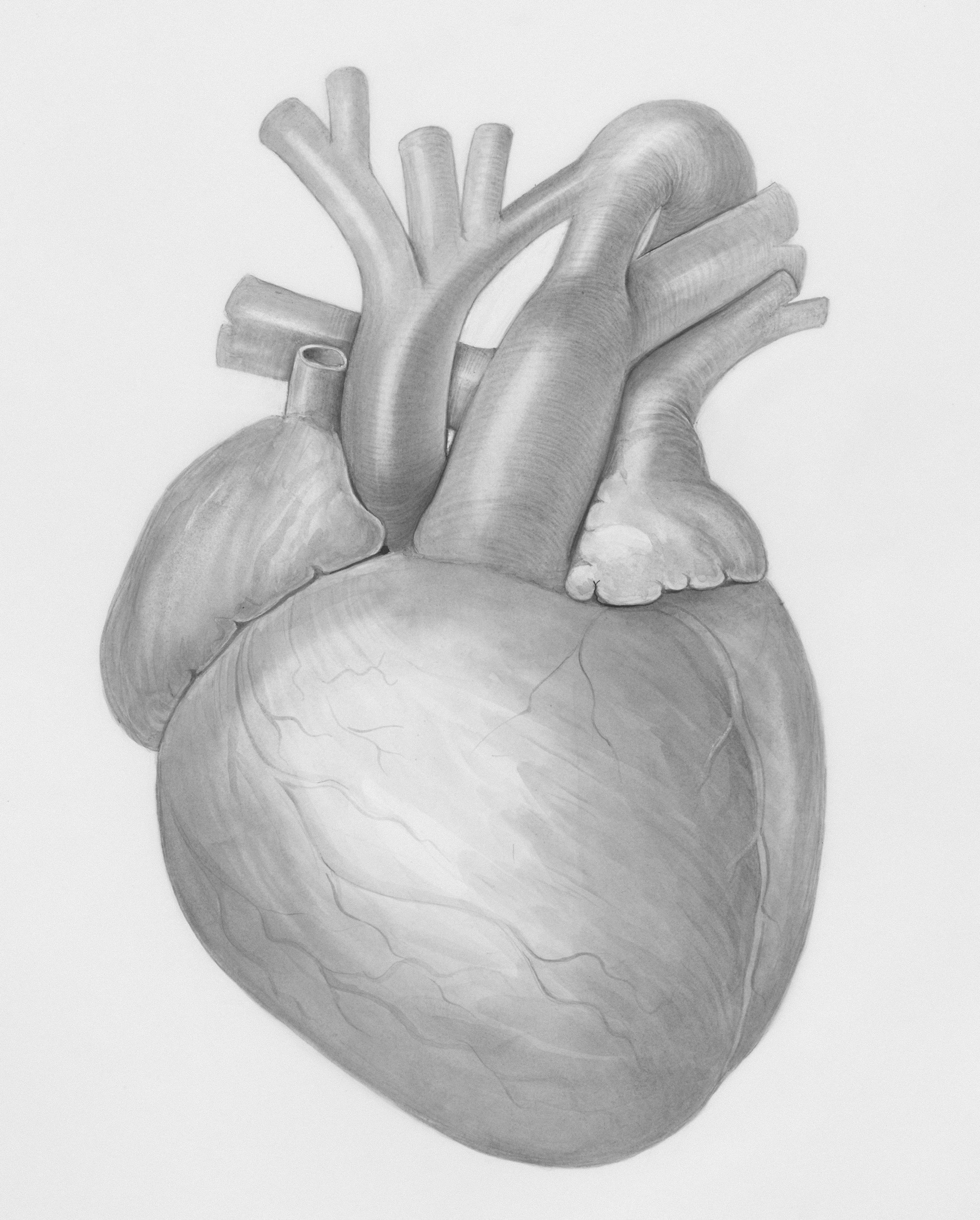
What Increases Your Risk of Heart Disease?
Research shows that ten major modifiable lifestyle and medical factors dramatically influence cardiovascular health:
Unhealthy diet
Physical inactivity
High blood pressure
Dyslipidemia (unhealthy cholesterol levels)
Hyperglycemia / diabetes
Obesity
Smoking and thrombosis risk
Kidney dysfunction
Genetics & family history
Special population considerations (age, race/ethnicity, sex)
Addressing even one of these can reduce risk, but addressing several at once can have a compounding protective effect.

.
1. Eat in a Way That Protects Your Heart
Nutrition is one of the most powerful levers for reducing cardiovascular risk.
What the research shows:
Diets richest in vegetables, fruits, whole grains, legumes, nuts, seeds, and fish offer the strongest protection against CVD. Specifically, the Mediterranean diet and the DASH diet have the most consistent scientific support.
Limit these high risk foods:
Saturated fats (high fat meats, butter, certain oils)
Ultra-processed carbohydrates
Excess sodium
Trans fats
Sugar sweetened beverages
Excess alcohol
These foods contribute to inflammation, higher LDL cholesterol, metabolic dysfunction, and weight gain, which are all major CVD drivers.
Try this instead:
Build meals around plants and lean proteins.
Choose olive oil and nuts as your main fat sources.
Eat high fiber foods daily.
Replace sugar sweetened drinks with water or tea.
Consider time restricted eating (if appropriate - consult with a nutritionist or MD), which may improve glucose and lipid levels.

2. Move Your Body Every Day
More Than You Think
Physical inactivity is considered as dangerous as smoking when it comes to heart disease risk. Even modest increases in daily movement significantly improve longevity.
Exercise recommendations
The research supports:
150 minutes per week, or more, of moderate intensity exercise OR
75 minutes per week, or more, of vigorous intensity exercise
2–3 days/week of strength training
For many, simply replacing sedentary time with light movement improves metabolic markers and reduces mortality risk.
Why exercise works!
Exercise improves:
Blood pressure
Blood sugar control
Cholesterol levels
Endothelial (blood vessel) function
Inflammation
Body weight and body composition
Stress and autonomic balance
If you’re new to exercise
Start with brisk walking, which provides substantial anti-CVD benefits and is accessible to nearly everyone.
3. Manage Cholesterol Proactively
Dyslipidemia, particularly elevated LDL cholesterol, is one of the strongest predictors of heart attack and stroke.
Key points from research
LDL cholesterol is the primary treatment target in most guidelines.
Non-HDL cholesterol and ApoB may actually be better indicators of risk in many patients (diabetes, obesity, high triglycerides).
Lower LDL is nearly always better, especially in high-risk patients.
Target numbers
Optimal LDL-C: <100 mg/dL
For high-risk patients: <70 mg/dL or even <55 mg/dL
Lifestyle changes that help
Diet rich in fiber, unsaturated fats, and whole foods
Regular aerobic exercise
Weight reduction
For some patients, medications may be recommended. Remember to consult with your MD about any of your medications or changes to medications!
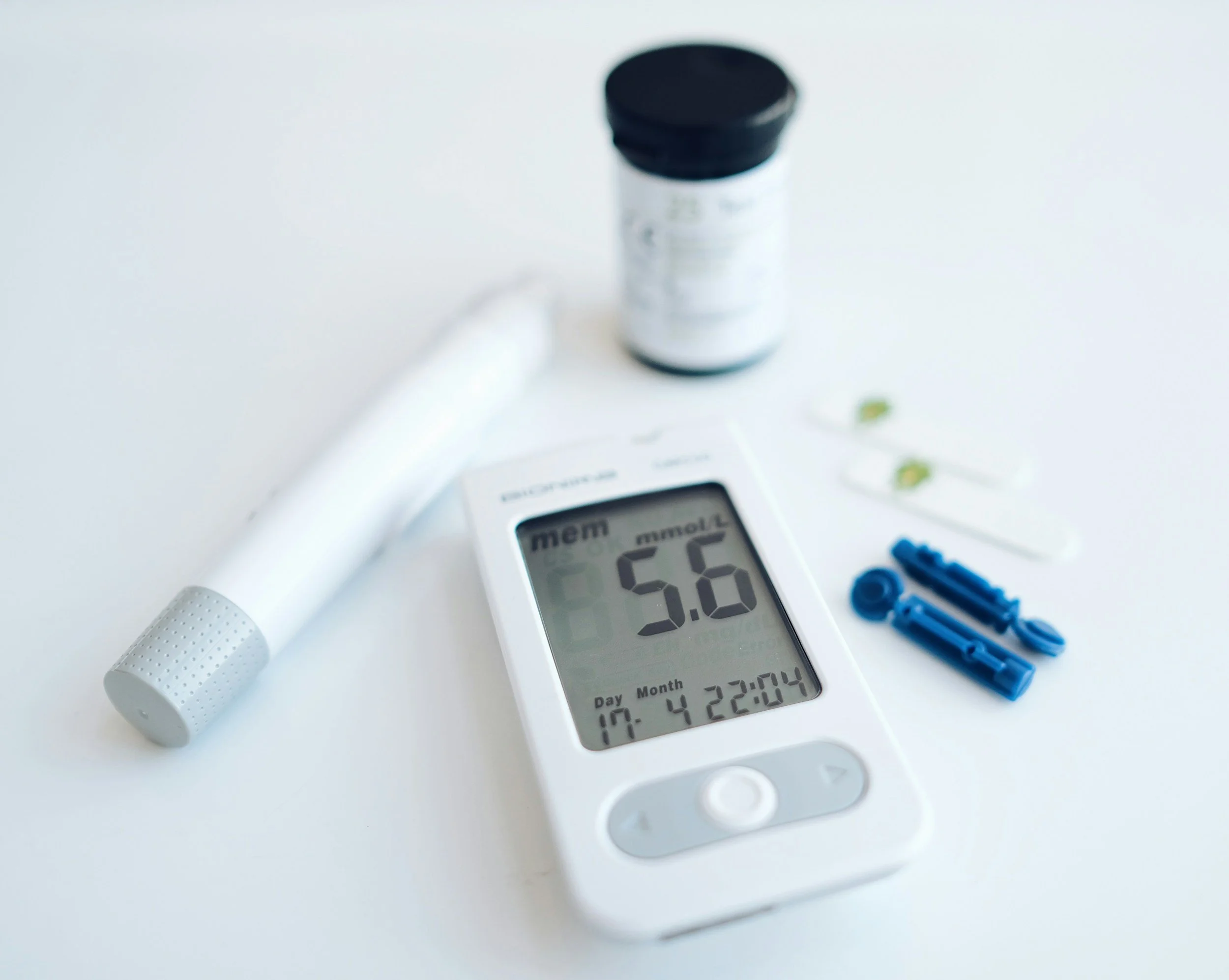
4. Control Blood Sugar and Reduce the Risk of Diabetes
Type 2 diabetes dramatically increases cardiovascular risk, up to a 10 times higher rate of hospitalization for coronary disease.
Optimal target
Hemoglobin A1c: <5.7% is considered normal
Risk reducing strategies
Weight management
Daily physical activity
Higher fiber intake
Lower intake of refined carbs
Prescription medications (GLP-1 agonists or SGLT-2 inhibitors) for individuals diagnosed with diabetes
GLP-1 and SGLT-2 medications in particular have been shown to reduce both blood sugar and cardiovascular event rates. (Consult with a MD before utilizing GLP-1 and SGLT-2 medications.)
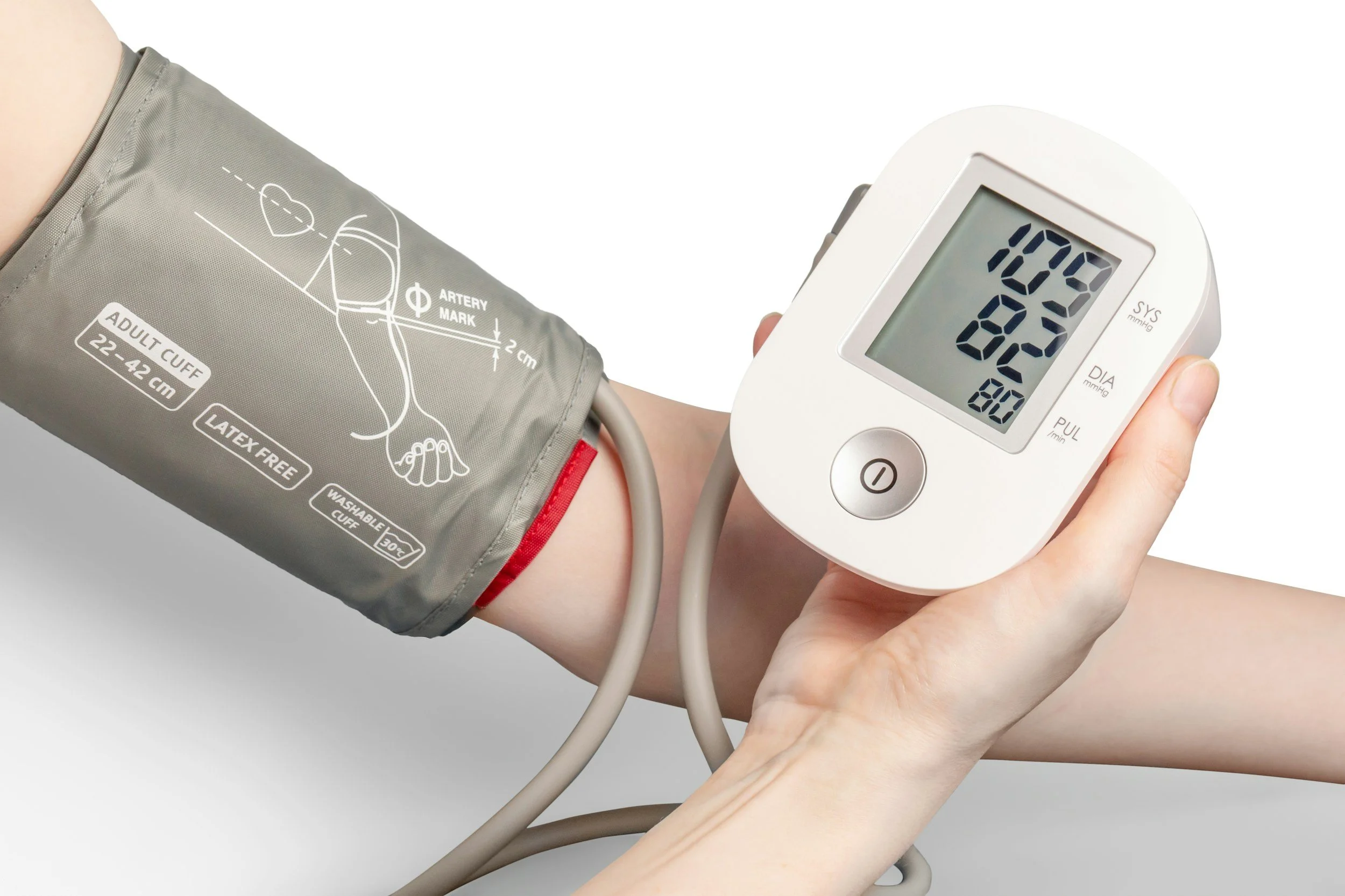
5. Keep Blood Pressure Under Control
High blood pressure silently damages arteries for years before symptoms appear. Nearly half of U.S. adults now meet the criteria for hypertension.
Newer guidelines define hypertension as
≥130/80 mmHg
Treatment goal
<130/80 mmHg
How to reduce your blood pressure naturally
Limit sodium (<2300 mg/day)
Increase potassium (fruits, vegetables)
Exercise daily
Lose weight if overweight
Limit alcohol
Improve sleep
Medication may be appropriate for many adults, and combination therapy is now recommended more often. Preferably, management with conservative measures (e.g. exercise, nutrition/diet, and lifestyle changes) are preferred.

6. Maintain a Healthy Weight
Obesity doesn’t just increase blood pressure, cholesterol, and blood sugar. It directly alters hormones, inflammation, and fat distribution in ways that accelerate heart disease. This concept is known as adiposopathy (“sick fat”).
Why this matters
Visceral (abdominal) fat and epicardial fat (around the heart) release inflammatory cytokines that directly:
Increase CVD risk
Promote plaque formation
Reduce vascular function
Increase arrhythmia and heart failure risk

7. Stop Smoking, Completely!
Smoking and vaping significantly increase the risk of thrombosis, arterial stiffness, plaque formation, and heart attack. Smoking remains one of the strongest preventable risk factors for CVD.
Within just 1 year of quitting, the risk of coronary heart disease is cut in half!

8. Understand Your Family History & Genetics
Genetics, particularly conditions like familial hypercholesterolemia, can cause extremely high LDL levels and early heart disease.
Anyone with a family history of early heart attack or very high cholesterol should undergo early screening.

9. Support Your Kidney Health
Kidney disease and heart disease are tightly linked. Diabetes, high blood pressure, and medications all impact kidney function, which in turn influences long term cardiovascular risk.

10. Special Considerations: Age, Gender, and Race
CVD risk varies based on population group due to physiological, genetic, and social determinants of health. Tailored prevention strategies are needed.

How Physical Therapy Helps Prevent CVD
A physical therapist can play a major role in cardiovascular prevention by helping you:
✔ Build a safe and effective exercise program
✔ Improve mobility to stay active long term
✔ Reduce joint pain that limits movement
✔ Manage weight through strength and conditioning
✔ Monitor blood pressure and movement vital signs
✔ Improve health literacy and long term lifestyle habits
PTs are uniquely positioned to guide patients through sustainable exercise routines that improve heart health without injury.
Takeaway: Heart Disease Is Preventable, Starting Today!
Cardiovascular disease develops over decades, but prevention can start today with small, consistent changes.
If you want help building a personalized exercise and wellness plan to reduce your heart disease risk, our clinic is here to support you.