
Iron Deficiency in Runners: What the 2026 NYC Marathon Can Teach Us About Endurance
On November 1, 2026, nearly 60,000 athletes took to the streets of New York City for one of the world's most recognizable endurance events: the TCS New York City Marathon.
Sweden's Andreas Almgren won the men's race in 2:06:01, an impressive achievement considering it was his first attempt at the marathon distance. On the women's side, Kenya's Sheila Chepkirui captured her second NYC Marathon title, finishing in 2:24:36.
While performances like these highlight exceptional preparation and athletic ability, they also raise an interesting question: What allows the human body to sustain physical activity at such a high intensity for so long?
The answer involves cardiovascular fitness, muscular endurance, running efficiency, nutrition, and recovery. One particularly important component is iron.
Why Is Iron Important for Endurance Athletes?
Iron is an essential mineral involved in several processes that support exercise performance.
One of its most important functions is helping the body transport oxygen.
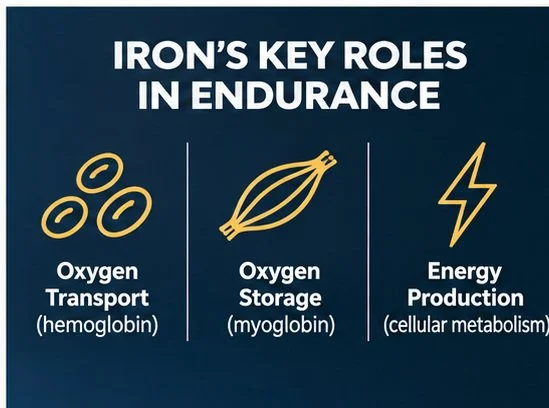
Iron is a central component of hemoglobin, the protein found in red blood cells that carries oxygen from the lungs to tissues throughout the body.
It is also part of myoglobin, which helps muscles store and access oxygen, and it plays a role in the cellular processes that produce energy.
During endurance exercise, working muscles require a continuous supply of oxygen to produce energy aerobically. As exercise intensity increases, so does the demand placed on the cardiovascular and muscular systems.
When an athlete has inadequate iron stores, the body's ability to support these processes may be compromised.
Can Low Iron Affect Running Performance?
Yes. Iron deficiency can contribute to fatigue, reduced exercise tolerance, and impaired endurance performance.
Importantly, an athlete can experience iron deficiency before developing iron deficiency anemia.
These are related but distinct conditions.
Iron deficiency without anemia occurs when iron stores are reduced, but hemoglobin levels have not necessarily fallen below the normal range.
Iron deficiency anemia occurs when inadequate iron availability impairs the production of healthy red blood cells and hemoglobin.
Both conditions deserve attention, although their effects on athletic performance and responses to treatment can differ.
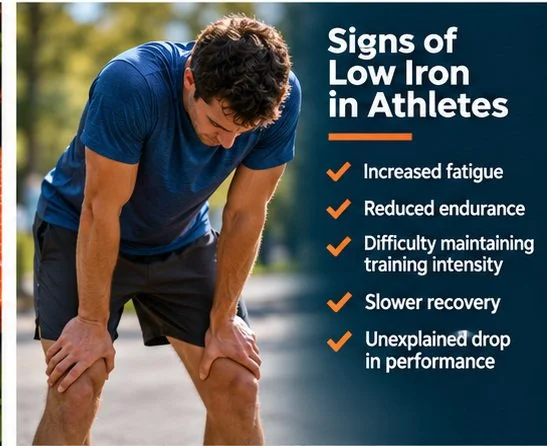
Potential warning signs include:
Unusual fatigue during workouts
Difficulty maintaining previously manageable training intensities
Reduced endurance or exercise tolerance
Slower recovery from training
Unexplained declines in athletic performance
These symptoms are not specific to iron deficiency. Poor sleep, inadequate fueling, excessive training, and medical conditions can produce similar complaints.
Why Are Endurance Athletes at Risk?
Athletes participating in prolonged endurance training may have increased iron requirements or experience changes in how their bodies regulate iron.
Several factors can contribute:
Training volume: Sustained endurance exercise places demands on red blood cell production and normal iron metabolism.
Dietary intake: Athletes who do not consume sufficient iron, particularly those restricting calories or certain food groups, may struggle to meet their needs.
Exercise-associated iron losses: Gastrointestinal losses, sweat, and red blood cell breakdown can contribute in certain circumstances.
Iron regulation: Exercise can temporarily increase hepcidin, a hormone involved in regulating iron absorption and availability.
Female endurance athletes and athletes with a history of iron deficiency may require particular attention to their iron status.
Should Runners Take Iron Supplements?
Not automatically.
Although iron is essential for performance, taking additional iron does not necessarily improve endurance in someone whose iron levels are already adequate.
Research generally suggests that supplementation is most beneficial when an actual deficiency exists.
Excess iron supplementation can also produce side effects and potentially harmful iron accumulation.
Athletes experiencing unexplained fatigue or a persistent decline in performance should discuss appropriate evaluation with a medical professional. Testing may include a complete blood count, ferritin, and other measures of iron status when indicated.
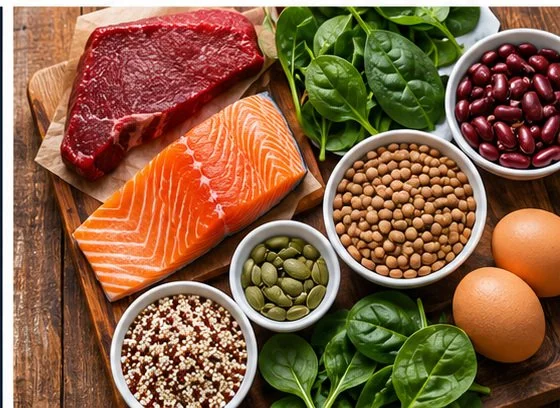
Dietary strategies can also help support adequate iron intake. Iron-containing foods include lean meats, poultry, seafood, beans, lentils, and fortified grains. Pairing plant sources of iron with vitamin C-rich foods can improve absorption.
What Recreational Runners Can Learn From Elite Marathoners
The performances of Almgren and Chepkirui are remarkable, but their success is not evidence that either athlete had a particular iron level or used a specific supplementation strategy.
The broader lesson is that endurance performance depends on more than mileage.
Training, cardiovascular conditioning, nutrition, and recovery must work together.
For recreational runners, that means recognizing when persistent fatigue may warrant investigation rather than simply increasing training volume.
The takeaway: Iron plays an important role in oxygen transport and energy production. Maintaining adequate iron status supports normal physiological function, but supplementation should address an identified need rather than serve as a shortcut to better performance.
______________________________________________________________________________________________
Resurgence Athletics explores the science of sports performance, exercise, rehabilitation, and health through practical discussions and evidence-informed education.
References and further reading